Tuesday, 8 March 2016

Exceptional Fossils Provide Insight Into Stem Group Arthropod Neuroanatomy

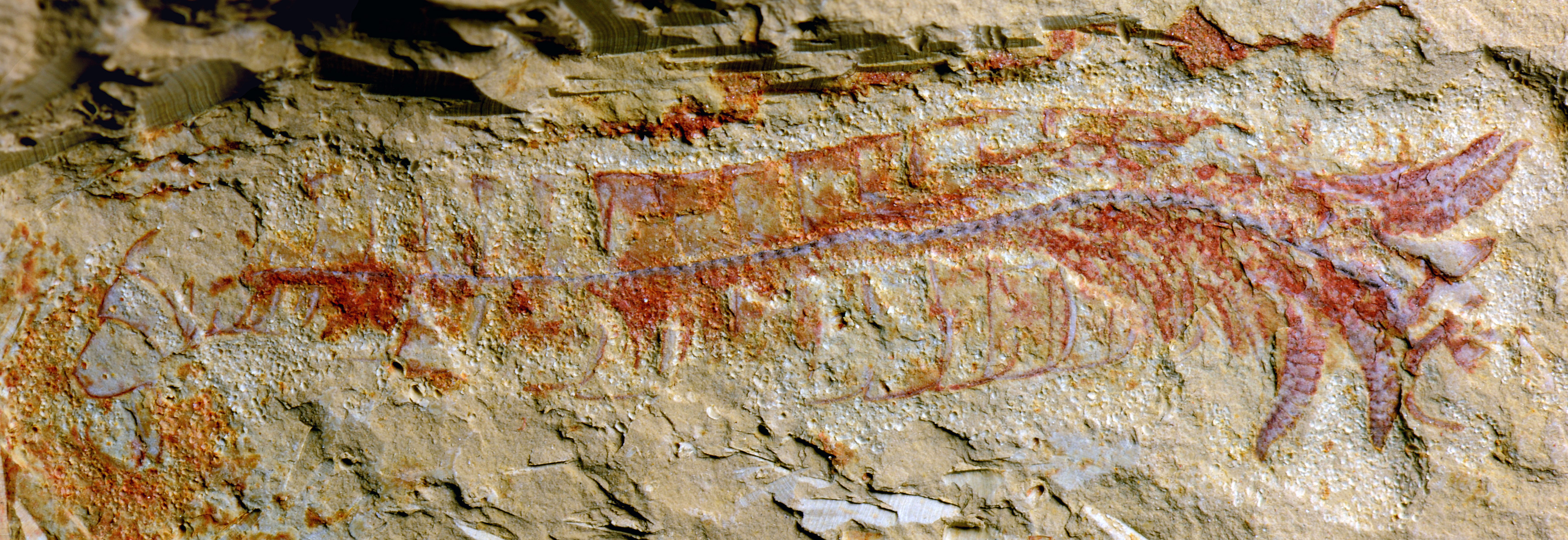
A remarkable fossil of Chengjiangocaris where the nervous system is preserved
The discovery of the Maotianshan Shales in China has provided palaeontologists with a wealth of specimens of Cambrian organisms which are preserved in perfect detail. Combined with advanced new imaging techniques which can be used to map the chemical composition of fossils, they have given incredible new insight into the soft body anatomy of these long extinct organisms.

This is particularly useful as their primitive nature means that the anatomy of their exoskeletons cannot always provide a conclusive means of identifying their place in the tree of life. Soft part anatomy, however, can be used to find previously unknown connections between fossil and extant groups. In addition to classification, the preservation of soft tissues has allowed palaeontologists to speculate in greater detail about the lifestyles of Cambrian organisms.

The preservation of the brain in Fuxianhuia protensa shows that these early arthropods were neurologically complex and capable of processing large quantities of sensory data. Fuxianhuia is not the only species to have had its nervous system preserved. Recently discovered specimens of Chengjiangocaris provide incredible new insight into the neuroanatomy of early arthropods.

'This is a unique glimpse into what the ancestral nervous system looked like,' said Dr Javier Ortega-Hernández from the University of Cambridge. 'It’s the most complete example of a central nervous system from the Cambrian period.'

Top: a specimen of Chengjiangocaris. Bottom a magnified fluorescence
microscopy image of the ventral nerve chord and its ganglia
The fossils are spectacular, preserving great detail of the external anatomy as a pink tinge on a paler yellow shale, often with the internal anatomy of the gut. The element of the nervous system readily apparent was a long nerve chord running along the length of the body, replete with bead-like ganglia. Each ganglia was associated with the control of a pair of limbs. Closer examination showed that the ganglia were composed of many fibres, each five thousands of a millimetre in length.

'These delicate fibres displayed a highly regular distribution pattern, and so we wanted to figure out if they were made of the same material as the ganglia that form the nerve cord,' said Ortega-Hernández. 'Using fluorescence microscopy, we confirmed that the fibres were in fact individual nerves, fossilised as carbon films, offering an unprecedented level of detail.'
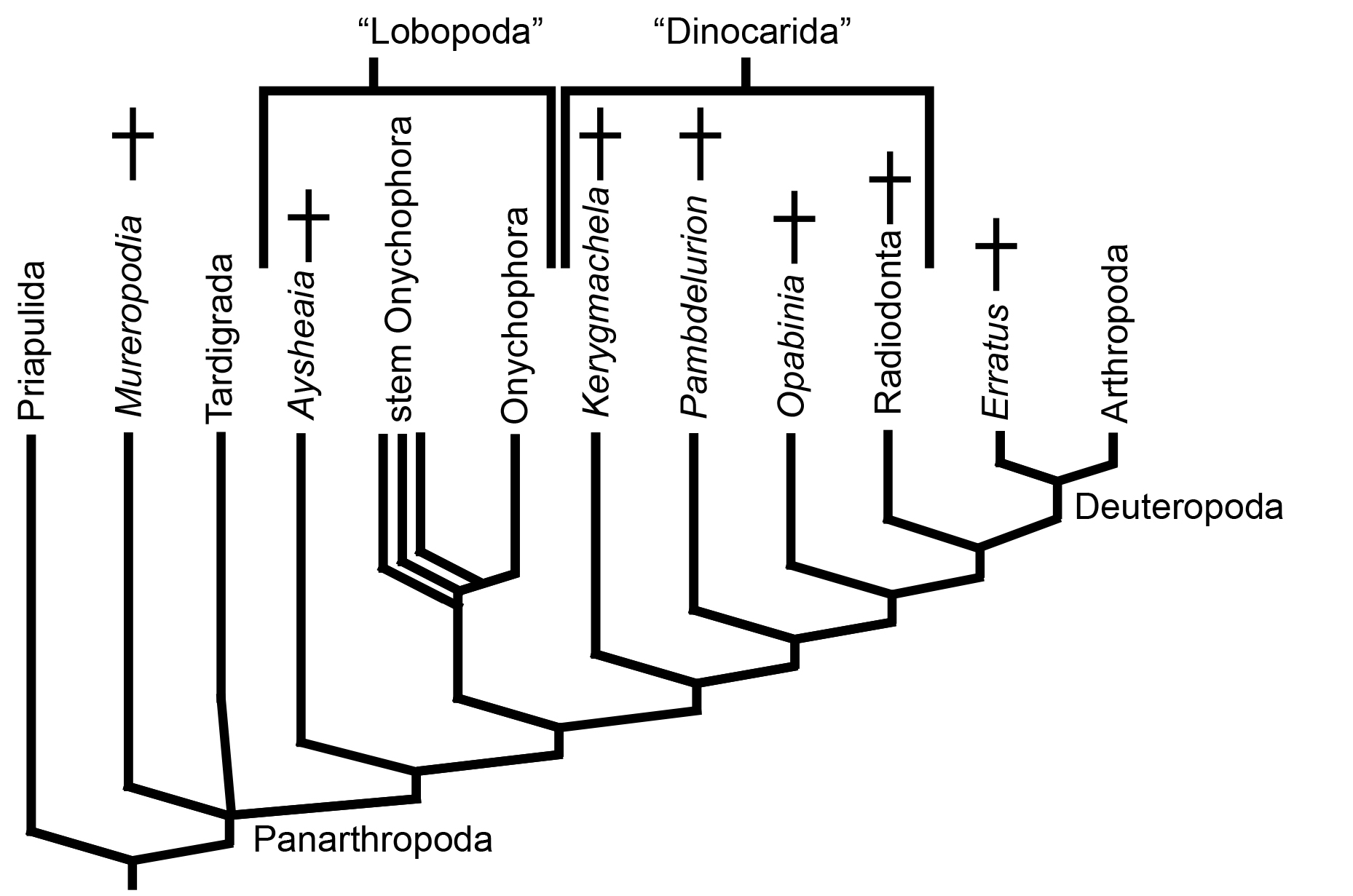
Panarthopod phylogeny along with the priapulid outgroup
What is particularly interesting is how the neuroanatomy of Chengjiangocaris compares to other arthropod groups. The phylogeny of arthropods and their relatives has recently changed.

Within the group panarthropoda ('all arthropods') the onychophorans are the most basal (primitive). These are the little known velvet worms. True arthropods are the euarthropoda which sit at the top of the phylogeny. In between are the tardigrades or the more commonly known, water bears. The closest relatives to the panarthropods are the priapulids, a group of worms.

Chengjiangocaris, as a stem group arthropod, possessed a nervous system similar to that of the priapulids and onlychophorans. This is characterised by a central nerve chord with other nerves branching off at regular intervals. Tardigrades and euarthropods, however, possess more streamlined nervous systems where many of these branches have been lost. This suggests that simplification has been a key trend in arthropod evolution. What is more, this discovery shows the importance of the fossil record in evolutionary biology. Molecular studies can demonstrate phylogenies and divergence times, but only the fossil record can show the characteristics of the stem groups of the tree of life.

'The more of these fossils we find, the more we will be able to understand how the nervous system and how early animals evolved,' said Ortega-Hernández.

Monday, 29 February 2016

How Photosynthesis Evolved During The Great Oxidation Event

Photosystem I is highly sensitive to oxygen due
to the reactive nature of its iron sulphur clusters
Photosynthesis is one of the most ancient forms of metabolism, dating back close to the dawn of life itself. As such, it has been enriching our atmosphere with oxygen for billions of years.

For hundreds of millions of these, however, oxygen quickly reacted with compounds in the atmosphere and lithosphere to form oxides. It was only during the Great Oxidation Event that the Earth's oxygen sinks were filled and the gas accumulated in the atmosphere.

The effects on the planet were massive, particularly on the biosphere. Oxygen is highly reactive and would have placed extreme environmental stress on all life forms whose metabolic systems had evolved in anaerobic conditions. It may well have caused the first mass extinction in evolutionary history. Adaptation to the Great Oxidation Event is evident in the fossil record.

A new study, however, demonstrates one of the molecular adaptations which occurred during this time. Photosynthesis, ironically, is very sensitive to oxygen due to the very precise and highly controlled nature of the reactions involved. Particularly important are clusters of iron sulphur minerals in the proteins which catalyse the photosynthetic reactions and transfer electrons. Oxidation of these minerals would make the reaction pathways impossible.

Prior to the Great Oxidation Event the molecular machinery involved in photosynthesis required little or no protection and stabilisation, as the oxygen generated was immediately scrubbed from the atmosphere by environmental oxygen sinks. An aerobic atmosphere, however, presented significant problems. The new study, conducted by researchers from a number of US universities, demonstrated that a particular protein, CGL71, evolved to protect photosynthetic machinery from free oxygen during the assembly of photosystem I, one of two broad sets of reactions involved in photosynthesis.

'When we look at this critical assembly protein, CGL71, it's as if we are looking back in time to the era when photosynthetic apparatus had to gradually adjust to the changing atmospheric conditions of our planet,' said Arthur Grossman from the Carnegie Institution. This new finding clearly demonstrates the impact of the Great Oxidation Event on the molecular metabolics of life, an aspect of evolution sometimes overlooked due to the near ubiquitous nature of such systems as well as long term evolutionary stability.

Sunday, 28 February 2016

New Research Highlights A Novel Method Of Defining Phyla

Ernst Haeckel's 1879 Tree of Life contained the phyla he identified
on the basis of shared body plans between their constituent members 
Nearly 300 years ago Carl Linnaeus, the Father of Taxonomy, proposed a classification for living organisms. His scheme of ever smaller groups nested within one another - kingdom, phylum, class, order, family, genus, species - still stands today. Yet his definitions, particularly of the highest level groups, has radically changed.

Linnaeus identified groups which could be considered equivalent to phyla based on their shared anatomical and morphological features. This is problematic, however, as during development characteristic features may be lost, resulting in an adult form not readily identifiable as part of previously defined taxa.

A solution came in the 19th century when the zoologist Ernst Haeckel examined the embryology of members of different phyla and found sets of developmental patterns common to each of their members. This led him to suggest that body plans should be used as the means to identify different phyla and their members - body plans are the major feature used today.

This can still be problematic, though, as body plans are also highly mutable during development; the loss of the notochord - a defining feature of the chordate body plan - in the tunicates, for example. Features lost in the adult may still be present in larval or embryological forms of problematic species, but their identification may still be difficult to the point that they cannot be readily assigned to a particular taxon. This highlights another problem: defining precisely what constitutes a particular phylum?

Yet a solution has been proposed by an international team of researchers led by Professor Itai Yanai from the Technion-Israel Institute of Technology. The team selected organisms representative of 10 different phyla which represented as a wide a range of body plans as possible. A powerful technique known as CEL-Seq was then used to monitor the activity of all the genes in individual cells of 70 developing embryos from each of the different phyla. They found that each phylum underwent two distinct modules of genetic expression, along with a transitional period characterised by highly conserved patterns of gene expression.

The researchers propose, that on the basis of these shared expression pathways, the definition of a phylum as 'a set of species sharing the same signals and transcription factor networks during the mid-developmental transition.' They then used this definition to create an hourglass model that captures differential gene expression between different phyla during this critical 'phyletic transition' phase.

This has intriguing consequences for how we may go about examining the origin of different phyla in deep time, particularly in terms of using molecular clocks to estimate divergence times. 'The transition we identified may be a hallmark of development only in animals,' the researchers concluded. 'Or, future work may show that this is a general characteristic of development in all multicellular life.'

Tuesday, 23 February 2016

A Whiff Of Oxygen From The Early Archaean

From 2.4 to 2.2 billion years ago, across the Proterozoic Earth, billions of tonnes of iron oxides were laid down in thick deposits known as banded iron formations. They indicate something very special: the permanent appearence of oxygen in the atmosphere. The Great Oxidation Event, as it is known, was a revolutionary time in Earth's history. Recently, however, geological studies have shown that temporary pulses of oxygen did occur hundreds of millions of years before the permanent oxygenation of the atmosphere. These have been shown to extend back into the Archaean eon 3.2 billion years ago. The only process powerful enough to generate significant amounts of oxygen is photosynthesis and the only photosynthetic organisms in the Archaean were cyanobacteria. Such oxygen traces have therefore been taken as evidence of their existence at an equivalently ancient point in time.

Banded iron from Isua
Now a recent study has pushed the geochemical record of oxygen back by an incredible 600 million years into the earliest Archaean. A team of researchers, led by Professor Robert Frei from the University of Copenhagen, analysed 3.8 billion year old banded iron formations from Isua in Western Greenland.

Banded iron formations are sedimentary rocks composed of alternating layers of silica and iron hydroxides. As they only form in marine environments, and as the constituent grains interact chemically with surrounding seawater, they preserve an excellent geochemical record of their deposition environment.

Analysis shows that the ratios of chromium and uranium isotopes in the banded iron are consistent with having been weathered from continental rocks by reactive oxygen species. These could only exist in an atmosphere containing free oxygen, if only temporarily. Oxygen is a chemically reactive element and is quickly stripped from the atmosphere. To have built up concentrations high enough to result in the deposition of banded iron formations requires a powerful source. This suggests that photosynthesis may have been in action 3.8 billion years ago, adding weight to the theory that life is older still.

'It is generally believed that the Early Earth was a completely anoxic, but our study shows that the surface of the Earth was exposed to a low oxygen atmosphere already this time,' said Professor Frei. 'This has far reaching implications for how we investigate the pace of evolution of life and its biodiversity on our planet.'

Tuesday, 16 February 2016

A Bug's Life

Social behaviours have allowed certain insects to become some of the most successful organisms in the planet's history. At the pinnacle of this select group are the ants. Some ant species form groups of just a dozen of so individuals, while others form colonies many millions strong. Their nests have the complexity of cities, while a single colony on the move is a powerful force, stripping all available resources in its path from leaves to living creatures. Ant colonies are highly territorial. Yet termites are a similarly large threat, capable of creating colonies which rival the ants in size and ferocity.

Two different ant species preserved in combat
in 100 million year old Burmese amber
The social behaviours displayed by ants, from cooperation to conflict, date back at least 100 million years. A recent study conducted on Burmese amber has led to the identification of a new species of Cretaceous ant which led a strongly cooperative lifestyle.

'We have one piece of amber with as many as 21 worker ants trapped, and that's significant because at this time period, ants are very rare to find in fossils,' said Dr Phillip Barden from Rutgers University. 'They make up less than one percent of all insects in amber, so to find 20 in one piece is highly suggestive of social behaviour.'

The ants themselves belonged to a lineage which is distinct from modern ants. Their ancient nature, however, suggests that social behaviours in the group are likely to be similarly ancient. These ants were certainly well equipped to defend territories they held, possessing tusk-like jaws which may have been used to impale prey.

'There's nothing like that alive today, especially not in the ant world' said Barden. 'It seems like they probably went extinct sometime in the 10 million years or so before or after dinosaurs went out. It could have been climate. We also think it's possible that the modern lineages actually out-competed these early ants.'

A member of the reproductive caste of Krishnatermes yoddha
In a separate study which included Barden, termites were identified in amber from the same Burmese deposit. This in itself is significant as it pushes back the evolutionary record of termites by an incredible 80 million years, The new species, named Krishnatermes yoddha, was represented by a number of individuals from winged soldier and worker castes - indicative of the termites' social nature.

Their presence in the same deposit as the ants opens up the possibility that the two species may have engaged in warfare, at the very least in defense of their respective territories. Ants today will often strip termite colonies of valuable resources, including the grubs which are then used as a food source. Such behaviours may also have been prevalent 100 million years ago.

Our views of past ecosystems often focus on megafauna. They are certainly impressive, but it is easy to forget about the multitude of species which dwell in the undergrowth and often in far greater numbers. Ants play a vital part in ecosystems today, engaging in multiple ecological roles from scavenging to pest control. They must have played similar crucial roles in the past. Further study of the fossil record, particularly of immaculate specimens preserved in amber, will shed light on how ants evolved to become colonial and even super-organismal entities and how this impacted on past ecosystems.

Monday, 1 February 2016

Geochemical Insight Into The Origin Of Plate Tectonics

Plate tectonics is responsible for the largest scale features of the planet
Plate tectonics defines our planet. Extension creates oceans and basins while collision creates mountains. Glaciers and rivers are certainly potent in their effects, but ultimately the slow dance of the continents is what renews our planet's surface.

Fossils, sedimentary markers and palaeomagnetics allow us to reconstruct past configurations of the Earth's landmasses. The oldest reconstructions date billions of years, showing that plate tectonics is an ancient process. Plate tectonics required the differentiation of an initially homogeneous Earth into a crust. mantle and core. Yet when the plates themselves began to move is less clear. A recent geochemical study, however, may shed some light on the matter.

The movements of the plates brings surface materials to great depth and mantle material to the surface, resulting in specific isotopic compositions of different layers of the Earth and making mixing key to the crust and mantle's geochemistry. 'You can't have continents without granite, and you can't have granite without taking water deep into the Earth," said Roberta Rudnick from University of California, Santa Barbara. 'At some point plate tectonics began and started bringing lots of water down into the mantle. The big question is when?'

The active plate tectonics on Earth give it a unique chemical signature compared to other planets in the solar system: the continental crust is depleted in magnesium. Early on in its history, however, the magnesium content was higher - closer to that of the other rocky planets. By finding the point in Earth's history when the magnesium content of the crust began to deplete should mark the beginning plate tectonics. The issue is that magnesium is easily weathered and leached from rocks when exposed at the surface, meaning that direct measurement would be inaccurate. Instead the researchers focused on trace elements which were not soluble in water. They found that higher ratios of nickel to cobalt and chromium to zinc both correlate to higher magnesium content in the original rock.

On the left the early Earth with a mafic, magnesium rich continental crust,
on the right the modern day Earth, a product of global plate tectonics
'To our knowledge, we are the first to discover this correlation and use this approach,' said Ming Tang from the University of Maryland. 'Because the ratios of these trace elements correlate to magnesium, they serve as a very reliable fingerprint of past magnesium content.'

By sampling a range of rocks dating from two to four billion years old, the researchers were able to create a computer model of how the magnesium content of the crust had changed over the course of time. At three billion years ago, the magnesium oxide (the oxide form is a suitable proxy for the element itself) content of the crust was 11% by weight, but in half a billion years had dropped to just 4%. Today it is just 2 - 3%. This is demonstrative of large scale tectonic processes at least three billion years ago.

'Because the evolution of continental crust is linked to many major geological processes on Earth, this work may provide a basis for a variety of future studies of Earth history,' Tang said. 'For example, weathering of this magnesium-rich crust may have affected the chemistry of the ancient ocean, where life on Earth evolved. As for the onset of plate tectonics, I don't think this study will close the argument, but it certainly adds a compelling new dimension to the discussion.'

Tectonics is a well understood process, but it is important to consider the wider implications of the process. Everything from the topographic to the subtle geochemical changes it produces have the potential to have a profound impact on the broader evolution of the planet and its biosphere.

Monday, 25 January 2016

Sexual Selection In Dinosaurs

In recent years our knowledge of the sexual aspects of dinosaur evolution has taken several leaps forward. It has recasts these creatures as organisms with clear anatomical physiology and evolutionary links to animals we see around us today, rather than as distant memories in the fossil record. Among the discoveries driving this is the first conclusive identification of sexual dimorphism in stegosaurus last year, and just a few weeks ago, the remains of fossilised marks produced during mating rituals.

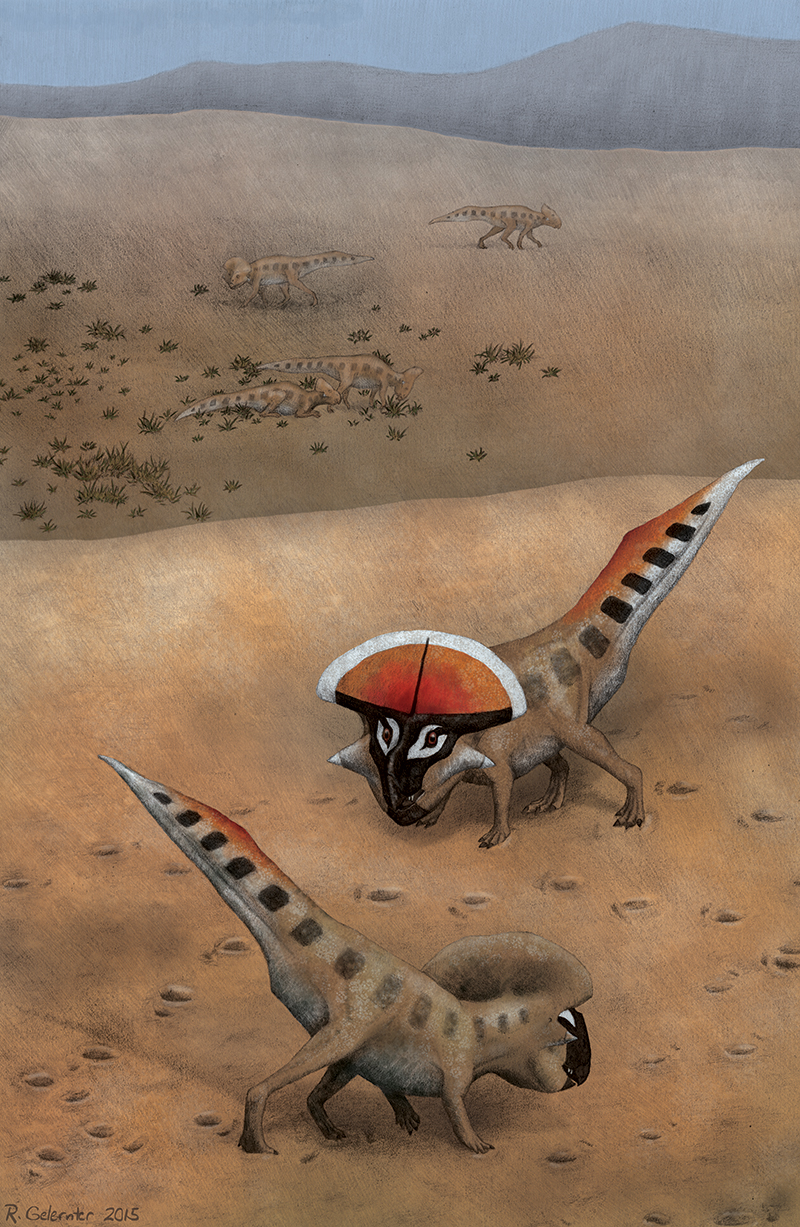
An artist's impression of Protoceratops's
frill based mating display
The study examined here is the latest contribution to the reconstruction of ancient sexual paradigms, identifying the first conclusive case of sexual selection, specifically in Protoceratops, perhaps the most abundant dinosaur species known. The great wealth of available specimens allowed researchers, led by Dr David Hone from the School of Biological and Chemical Sciences at Queen Mary's University, London, to gather enough data to demonstrate the development of sexually selected characteristics during growth.

'Palaeontologists have long suspected that many of the strange features we see in dinosaurs were linked to sexual display and social dominance but this is very hard to show. The growth pattern we see in Protoceratops matches that seen for signalling structures in numerous different living species and forms a coherent pattern from very young animals right through to large adults,' said Dr Hone.

Allometric studies, focusing on the length and width of the neck frill, were conducted on the skulls of 37 individuals from the Djadochta Formation in the Gobi desert. The sample covered a range of individuals from four developmental categories: hatchlings, juveniles, sub-adults and adults. The data showed a trend in the frill becoming proportionally wider as the dinosaur became older, while the hatchlings lacked the frill altogether, before its sudden acquisition and rapid growth in later developmental stages. - a characteristic of sexual display. And while hard to prove, it is possible that the network of blood vessels in the frill may have been used to give a red coloration, adding to the mating ritual.

'Biologists are increasingly realising that sexual selection is a massively important force in shaping biodiversity both now and in the past,' said Dr Rob Knell, also from QMUL's School of Biological and Chemical Sciences, Not only does sexual selection account for most of the stranger, prettier and more impressive features that we see in the animal kingdom, it also seems to play a part in determining how new species arise, and there is increasing evidence that it also has effects on extinction rates and on the ways by which animals are able to adapt to changing environments.'


Newsflash

Just a few weeks ago the American Natural History Museum in New York unveiled its most recent exhibit: the complete skeleton of a titanosaur. At an incredible 37 metres in length, it was longer than the blue whale, making it the largest creature to have walked the Earth. On Sunday the BBC aired an hour long documentary, presented by Sir David Attenborough, which looks in great detail at not just its discovery but also what we have learnt from the bones about what the animal was like in life and about titanosaurs in general. Filled with stunning shots of the Patagonian landscape and its fossils, it is remarkably informative and well worth watching. A link to the programme on BBC iPlayer can be found at the bottom of this post.

Unfortunately, due to licensing laws, BBC iPlayer can only be accessed in the UK. If you are viewing this post from the UK, lucky you! If not (I know I get a lot of views from the States), I would recommend using a UK proxy. Hopefully you should be able to access the link from there. Failing that, I am sure that the documentary will become more widely available on the internet in a few weeks time. Enjoy!

http://www.bbc.co.uk/iplayer/episode/p03dwy5z/attenborough-and-the-giant-dinosaur

Saturday, 16 January 2016

Uncovering A Genetic Component To The Origin Of Multicellularity

It is often argued that evolution is impossible as the probability of spontaneously creating new structures by simple mutation is astronomically low. They must have been wrought by a creator. Yet evolution does not work this way. Instead of creating from scratch, evolution simply jerry rigs pre-existing structures, gradually enrolling mutations to tweak their function. In this way fins can become legs and camera eyes evolve from simple spots of photopigments. Body plans have evolved in a similar fashion, in particular by the duplication of genes. This allows one copy to maintain original function whilst the other can be adapted for another purpose.

Top: a single choanoflagellate cell with the flagellae stained green.
Bottom: a multicellular choanoflagellate colony
The duplication of genes through time has resulted in the genomes of complex organisms being littered with gene families, all arising through duplication and then differential adaptation.

A recent study has shown how this process may have aided in the origin of multicellularity in animals. Researchers, led by Ken Prehoda from the University of Oregon, examined the evolution of a particular protein found in animals and their closest relatives, single celled protists known as choanoflagellates, and from this constructed the evolutionary history of the parent gene.

In choanoflagellates the primary function of the gene is in the creation of the flagella; a whip-like structure found in many single celled organisms used for locomotion. In choanoflagellates, however, it also plays a vital role in determining the orientation of choanoflagellate individuals in multicellular colonies.

The results of the genetic study showed that the duplication of the gene reduced the flagella's importance, resulting in its eventual loss from animal cells. The duplicated gene family and its resulting protein domain is found in all animals and their closest relatives, indicating its continued importance in multicellularity. Additionally, they found that a single mutation allowed the copies to aid in cell orientation.

'This mutation is one small change that dramatically altered the protein's function, allowing it to perform a completely different task' said Prehoda. 'You could say that animals really like these proteins because there are now over 70 of them inside of us.' 

The eventual cooperation of choanoflagellates, lacking flagellae, resulted in the first animals. These multicellular organisms were undoubtedly simple but just as with animals today, they would also have possessed the same vital set of duplicated genes required for cell to cell adhesion and communication.

Friday, 15 January 2016

Mesozoic Mating Rituals

The mid Cretaceous site in the Dakota sandstone where the leks were found
Birds are well known for the lengths they will go to attract a mate. Some, like the birds of paradise invest heavily in beautiful displays of feathers or elaborate dances and songs. Others take a different tack.

Weaver birds construct complex nests from twigs to attract a mate. Bower birds do much the same, but then fill their nests with objects of a particular bright colour, carefully arranging collections to highlight personal favourites. Dinosaurs, as the ancestors of birds, may well have engaged in similarly extravagant activities to attract a partner; recent discoveries of courtship rituals unearthed in Colorado appear to support this view.

The 3D digital reconstructions of the leks
The evidence, discovered by researchers led by Martin Lockley from the University of Colorado Denver, comes from the mid Cretaceous Dakota sandstone. Dinosaur fossils are very rare, but trace fossils of their existence is more abundant, including nests and footprints.

The new trace fossils, some the size of bath tubs, represent scrape marks created during ritual mating displays. Known as leks, modern examples are created by some birds, their association with dinosaurs in the fossil record makes sense, considering the phylogeny of the two clades.

The lack of nests and eggshell around the leks suggests that mating rituals occurred in a different place to nesting itself. This is not to say, however, that the two activities took place far away from one another. 'The scrape evidence has significant implications,' said Lockley. 'This is physical evidence of prehistoric foreplay that is very similar to birds today. Modern birds using scrape ceremony courtship usually do so near their final nesting sites. So the fossil scrape evidence offers a tantalizing clue that dinosaurs in 'heat' may have gathered here millions of years ago to breed and then nest nearby.'

An artist's impression of the mating rituals in progress
The fossils were part of large bedding planes and were too large to be removed physically. Latex and fibreglass casts were made instead and then an imaging technique, known as photogrammetry, employed to create 3D digital models of the leks.

Analysis of the models showed that some of the leks still preserved the three toed marks of their creators, indicating that they were made by theropod dinosaurs. Again this makes sense as the theropods are the direct ancestors of the birds. Non-theropod dinosaurs on the other hand may have had different mating rituals.

By examining the size of the leks, the researchers were able to show that individuals ranging in size from lengths of 2.5 to 5 metres and hip heights of 1 to 2 metres, were responsible for creating them. This suggests either a mix of species in the same mating area or co-occurrence of adults and sub-adults in the same mating season. In turn this provides physical evidence to support the influence of sexual selection pressures in dinosaurs, as is seen in birds today.

'These are the first sites with evidence of dinosaur mating display rituals ever discovered, and the first physical evidence of courtship behaviour,' concluded Lockley. 'These huge scrape displays fill in a missing gap in our understanding of dinosaur behaviour.'

Sunday, 3 January 2016

Brood Care In The Cambrian

Some parents offer little in the way of care for their offspring. Many insects will glue their eggs to the underside of a leaf and leave the hatchlings to fend for themselves. Green turtles will bury their eggs in sand and then abandon them, leaving the eggs otherwise unprotected and the future hatchlings on their own. Caring for a clutch of eggs, however, will greatly increase chances of survival. Birds care for their eggs in nests or leave them with an unwitting host in the case of the cuckoo. A certain species of frog even goes so far as to store eggs beneath the skin of the males - what is more, the eggs are not ejected before they hatch.

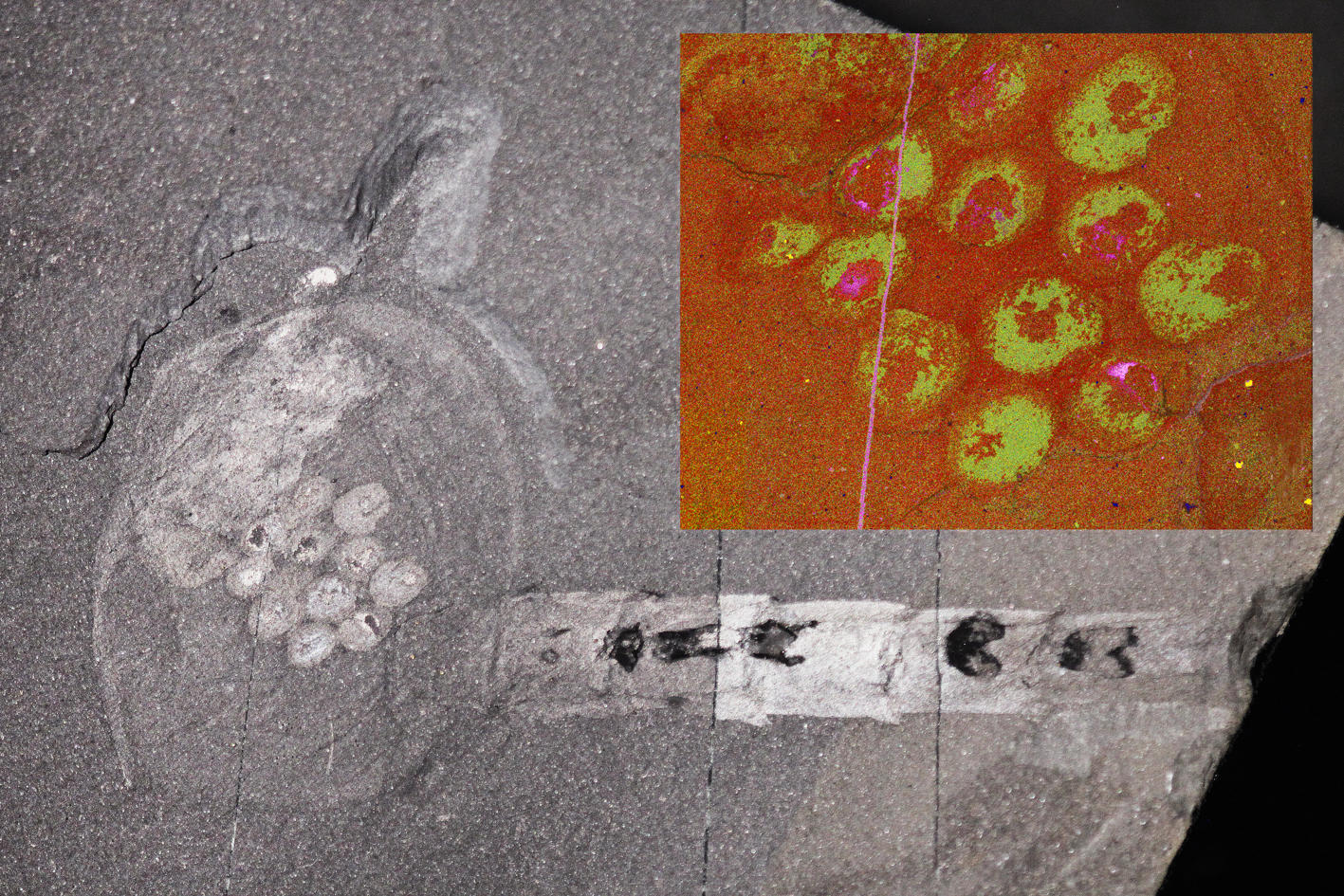
Brooding behaviours are seen throughout the fossil record. Yet remarkable fossils from the Burgess shale assemblage demonstrate the existence of a particular type of brooding strategy 505 million years old. The fossils in question belonged to a species of arthropod known as Waptia fieldensis which shares similar features with many arthropods, and as such, is classified as a close relative, albeit tentatively. The specimens used in the study had a series of white blobs arranged around the carapace. Using a combination of photography, electron microscopy and elemental mapping, Jean Bernard Caron from the Royal Ontario Museum and Jean Vannier at the Centre National de la Recherche Scientifique, France, were able to demonstrate that these represented a clutch of eggs.

Waptia specimens with the egg clusters highlighted
The carapace of the parent provided a substrate onto which the eggs could be anchored, but with the added advantage of parental protection and an environment kept well oxygenated by ventilation - ideal for developing embryos.

'This creature is expanding our perspective on the diversification of brood care in early arthropods,' said Vannier, the co-author of the study. 'The relatively large size of the eggs and the small number of them, contrasts with the high number of small eggs found previously in another bivalved arthropod known as Kunmingella douvillei. And though that creature predates Waptia by about seven million years, none of its eggs contained embryos.'

The smaller clutch size in Waptia would have allowed the parent to devote more parental care to each egg and possibly the offspring compared to what Kunmingella could offer. In turn this would increase the chances of survival of each egg and hatchling. The Cambrian was a time of great change ecologically, anatomically and phyletically. Increasing complexity would undoubtedly have brought about new and complex behaviours. Yet brooding behaviours are only a recent discovery. The insight they may provide into the mechanics of the Cambrian Explosion is yet to be fully explored.

Friday, 25 December 2015

A Cooperative Origin Of Animal Life

One of the greatest events in the history of life was the development of the complex cell. The endosymbiotic origin of eukaryotes is perhaps the most potent example of cooperation in the history of life. Cooperative behaviours have continued to punctuate the history of complex life, in particular within the animal kingdom. Yet for decades it was assumed that the next great leap forward after the origin of the complex cell was driven not by cooperation, but by conflict. The development of bodies, shells and teeth originated first in a competitive world, and then in a struggle for survival in the evolutionary arms race.

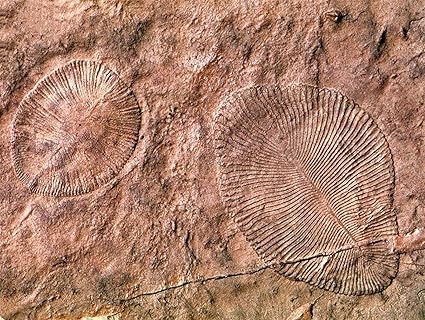
Flat, largely immobile Ediacarans such as Dickinsonia have been
viewed as responsible for the delayed origin of complex animals
The first large animals were the Ediacarans. Many lived lives as flat and largely immobile masses of simply organised tissue on the seafloor, feeding on algal mats. The sediment beneath these and the ediacarans, however, was largely devoid of nutrients, and perhaps even enriched, in toxic metabolic waste from the algal mats themselves.

It is only in the Cambrian that we see extensive evidence of a diverse community of burrowing organisms - members of the so-called Cambrian substrate revolution. It was therefore suggested that the algal mats and the activities of the large, immobile ediacarans prevented the development and diversification of mobile and complex organisms capable of engaging in energy-expensive activities, such as burrowing.

The ediacarans were responsible for the decline in algal mats, but they also restricted the diversification of complex burrowing organisms. Life could therefore only progress after the destruction of the algal mats and the decline of the Ediacarans. A recent hypothesis has been put forward, however, which highlights the role of cooperation in the origin of animal diversity. Put forward by Graham Budd from Uppsala University in Sweden and Sören Jensen, from Badajoz University in Spain, the hypothesis is based on the way water holes in savannahs provide nutrient-rich hot spots capable of supporting a greater diversity of life.

They suggest that the activities of the largely immobile, flat Ediacarans would have created a nutrient-rich microenvironment above and below the immediate vicinity of their bodies. Rather than the Ediacarans, and later animals, being direct competitors, the Ediacarans themselves created a permissive environment that was ideal for higher animals to evolve in. This evolutionary model is known as ecosystem engineering. Here, a number of key species influence their environment in such a way to create new opportunities for evolution and species diversification. Competitive evolution certainly played a role in the development of higher animals, as evidenced by the fossil record, but incorporating cooperative elements provides a richer and more nuanced account of animal diversity and evolution.

Thursday, 24 December 2015

Re-evaluating The Base Of The Animal Kingdom

The traditional view of animal evolution is that sponges came first. All animals are multicellular so the first animals evolved from cooperating colonies of cells: sponges are the most-colonial of all the animals. They consist of genetically identical cells, but the cells do not form true tissues and when broken apart are capable of acting autonomously. Additionally they posses nothing in the way of a nervous system or muscles - all hallmarks of more complex animal groups. The simplicity of sponges placed them logically at the base of the animal kingdom. Recent molecular studies, however, challenge this evolutionary view, claiming that ctenophores are the most primitive.

A ctenophore, more commonly known as a comb jelly
The ctenophores are unfamiliar to most people. More commonly known as comb jellies, their bodies are spherical or ellipsoid, covered in rows of tiny hair called cilia. These cilia beat in unison to propel these bizarre creatures through the seas. The molecular evidence placing ctenophores at the base of animal phylogeny is surprising as the group are without a doubt more complex than sponges, possessing true tissues and a nervous system. This surprising rearrangement is cemented by two possible explanations.

The first, and more unlikely scenario, is that the ctenophores were once simple, but developed anatomical and morphological complexity independently of the higher animal groups. The second scenario is that sponges were once more complex but gradually lost this, shedding the hallmarks of more complex groups. Neither scenario is particularly appealing, but the general inconvertibility of molecular data is such that the origin of ctenophores prior to the sponges gained widespread notice among biologists. A study published just a few days ago, however, shows that even molecular data can occasionally produce erroneous results. This new study supports the traditional view that the simple sponges is indeed the oldest animals.

The study, conducted by an international team of researchers led by Dr Davide Pisani from the University of Bristol, evaluated the statistical methods used to analyse the genomic data for sponges and ctenophores in the papers which supported the 'ctenophore-first' model of animal evolution. 'The analytical methods used in the original reports were not the most appropriate for the task at hand, and this led to systematic errors in the modelling of sequence evolution,' said Dr Gert Wörheide from Ludwig-Maximilians-Universitaet.

'Using elaborate calculation procedures, we were then able to demonstrate that the placement of ctenophora at the base of the evolutionary tree of animals is artefactual. When the more powerful models are applied to these datasets, one finds that the sponges are indeed the earliest diverging animal group,' concluded Wörheide. Simply put, sponges do display the simplest morphologies of the all the animal groups. Recognition of this is what led evolutionary biologists to place them at the base of the animal kingdom in the first place. Having molecular data to conclusively back this up strengthens a model of evolution which is in turn supported by evidence from comparative anatomy and the fossil record.

Monday, 30 November 2015

The Table Manners Of Tribrachidium

The Ediacara biota were a highly unusual group of organisms. Not a strict biological group in the first place, and soft-bodied, they are difficult to study as fossil evidence is limited. Some species, such as Kimberella, possess reasonable anatomical links to modern day groups of organisms, making it easier to infer their lifestyles. Others have weird and wonderful body plans which obfuscate both their place in the tree of life and their day to day existence. How the Ediacara biota fed is particularly enigmatic. Kimberella displays feeding traces while Charnia had a large surface body area ideal for filter feeding.

Fossils and 3D computer models of Tribrachidium
Tribrachidium on the other hand has a body structure whose benefits are not immediately apparent. Fossils of this species preserve little in the way of how it may have lived. It is likely, however, that it was sessile, lying motionless on the sea bed. It could not forage for food so it must have relied on some other method. Its body plan offers few clues.

Tribrachidium was small and possessed a highly unusual triradial symmetry characteristic of a group of Ediacarans known as trilobozoans. This form of symmetry is seen nowhere else in the animal kingdom, both living and extinct. It is a failed experiment in body building.

A recent study by an international team of researchers, led by Dr Imran Rahman from the University of Bristol has shown that Tribrachidium's unusual design was well suited to a mode of nutrition known as suspension feeding - previously undocumented in the Ediacara biota. Suspension feeding is the capture of suspended particles from a water column which are too light to settle. This was achieved using computational fluid dynamics. More commonly encountered in the world of engineering, this mode of analysis is used to model the flows of water or air around and within pieces of machinery. This study, represents one of the first applications of the technique in palaeontology, following previous research also carried out by researchers from Bristol University.

The computational flow dynamic models of Tribrachidium. The grey
arrows represent flow direction. The double height set show the
 recirculation of currents in the eddy behind the organism
CT scans were used to build 3D computer models of Tribrachidium. They were subjected to different flow conditions to match the environments in which the creature lived. To account for the varying degrees of compression which the fossils would have been subjected to, the models were altered to include a range of heights. The results showed that an elongated, low velocity flow region formed downstream of the organism. This is similar to the way a rock in the middle of a river creates an eddy on its downstream side.

In just the same fashion, the low velocity region behind Tribrachidium developed currents which recirculated back towards the body, and chanelled by the structure of the body, towards pits at the apex of the organism. Here nutritious particles in the water could be absorbed.

'For many years, scientists have assumed that Earth's oldest complex organisms, which lived over half a billion years ago, fed in only one or two different ways,' said Dr Simon Darroch, from Vanderbilt University, Tennessee. 'Our study has shown this to be untrue, Tribrachidium and perhaps other species were capable of suspension feeding. This demonstrates that, contrary to our expectations, some of the first ecosystems were actually quite complex.'

The Ediacara biota were responsible for creating the first dynamic ecosystems on the planet. Yet this is a relative term. The Ediacaran ecosystems have been viewed as simple compared to those of the Cambrian and later periods. However, this study shows the gulf between them is not as vast as previously thought.

Wednesday, 25 November 2015

New Research Shows That Early Bees Were Fussy Pollinators

Insect pollination has fuelled great diversification
in  the angiosperm family and vice versa
Plants and insects have formed a myriad of complex symbiotic relationships. Pollinators have optimised themselves for the collection of nectar while flowers have developed enticing scents and colours to attract in would-be pollinators.

Many insects will visit multiple flower species. They are not fussy eaters. Their only goal is to obtain as much nectar as possible. Some insects, however, are much more selective in their diet, visiting only one particular species in their quest for nectar, and occasionally, going to extraordinary lengths to do so.

Such specificity is certainly a risk as the abundance of the two species will be closely linked, with changes in each party directly affecting the other. The major benefit, however, is the development of a highly effective symbiosis. A recent study conducted by an international team of researchers has shown that bees have enjoyed these close symbiotic relationships for millions of years. The research was conducted on fossils from the Messel Pit in Germany. During the Eocene epoch 50 million years ago, the Messel area enjoyed a tropical climate. Formed by sediments deposits in a volcanic lake, the Messel pit oil shales preserved a plethora of species which were overwhelmed by toxic gases emanating from the lake

Fossils from the site are preserved in perfect detail, allowing creatures as delicate as insects to be studied in great depth. 'For the first time, we are taking advantage of this circumstance in order to get a closer look at the pollen on the bees' bodies,' said Dr. Torsten Wappler from the Steinmann Institute for Geology, Mineralogy and Palaeontology at the University of Bonn. The back legs of bees are long and have comb-like structures which allow them store pollen. The front legs are used to comb pollen out of their body hair and transfer it to their back legs.
Fossil bees from the Messel Pits and microscope images
of some of the pollen types found on their legs
This only works, however, if the front legs can easily reach the pollen.

'The bushes where the worker bees collected food for their larvae all had a similar blossom structure,' said Dr. Wappler. 'After they visited those blossoms, the pollen mainly stuck to parts of their bodies where it was easy to transfer to their legs.'

Analysis of the fossils showed that the pollen on the heads, chests and abdomens came from a variety of plant species. The pollen on their back legs came from primarily evergreen bushes. Evergreens produce similar blossoms. The arrangement of the pollen-bearing structures is therefore similar across the group and so produces the same distribution on a bee's body.

'This was a good strategy for the bees,' concluded Dr. Wappler. 'When they were looking for food for the larvae, they visited blossoms that offered a high yield with little effort. On the way there, on the other hand, they ate whatever they happened to find. So they didn't waste any time looking for especially delicious or nutritious food.'

These simple patterns are clues in the fossil record. They point to potentially complex biological interactions among long dead species. Improvements in technology will eventually highlight previously overlooked patterns to allow us to build up a much richer picture of the biosphere's past.

Monday, 16 November 2015

A Unique Method of Feeding In The Elasmosaurs

Early depictions of elasmosaurs portrayed
them as slender, snake-like predators
The elasmosaurs were a highly unusual group of marine reptiles. Part of the plesiosaur family, they possessed the longest necks of any members. Indeed when the first fossils of these creatures were discovered their size seemed too ludicrous, and the extra cervical vertebrae interpreted as parts of the tail.

The neck has been a great source of confusion since, with early depictions showing the elasmosaurs' neck as snake-like, capable of twisting into complicated loops and bends. The neck is less flexible as it is often portrayed. Nevertheless this would have improved the hydrodynamic properties of the body and aided in the capture of fast-moving prey.

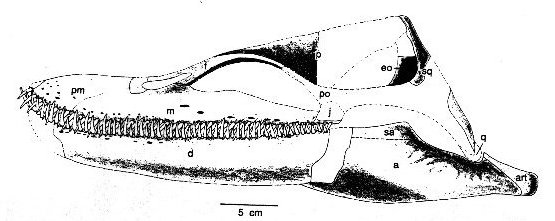
A study conducted by Robin O'Keefe from Marshall University, West Virginia, has shown that the neck was part of a unique feeding system in the late Cretaceous elasmosaur species Aristonectes and Mortuneria. The large lower jaws bore a comb-like structure formed by many slender teeth which projected sideways; the teeth in the upper jaws extended downward and sideways. Combined with a deeply vaulted palate, this arrangement suggests that these elasmosaurs employed filter-feeding.

The comb-like teeth of Aristonectes would have allowed
the creature to filter food from neckfuls of water
The model put forward by O'Keefe and his colleagues shows that these elasmosaurs would fill their mouths with sea water and then, using coordinated throat and tongue movements, squeeze the water out through the tooth combs, leaving food particles collected by the tongue.

The long neck enabled large volumes of water to be processed without decreasing the hydrodynamic shape of the body. Whales, in contrast, use their large mouths to store volumes of water. The hydrodynamic, elongated neck of the elamosaurs would certainly have been faster and maleable - vital in the predator-filled Mesozoic oceans.

A development in filter feeding is unique to these two elasmosaur species and provides an interesting example of convergent evolution. There are two families of whales: odontocetes are toothed active predators, while the mysticetes filter-feed using fibres of baleen to strain micro-organisms from mouthfuls of water. The elasmosaur fossils did not have any preserved soft tissue. Yet the arrangement of teeth would allow them to perform in a similar manner to the baleen fibres - mimicry in form and function, separated by hundreds of millions of years of evolutionary history.

Monday, 2 November 2015

Taking The Temperatures Of Dinosaurs

The isotopic composition of dinosaur egg shell
can be used to calculate their body temperatures
Were the dinosaurs warm blooded or cold blooded? Ever since John Ostrom confirmed the evolutionary connection between birds and reptiles in the 1960s, there has been a flurry of studies which have tried to resolve this conundrum.

As time progresses these have become increasingly sophisticated. Many studies have been comparative, looking at the anatomical similarities between birds and dinosaurs in greater detail. More recently we have been able to take thin sections of bones and compare the vascular systems of the two groups.

So far evidence has been inconclusive. Now an isotopic analysis conducted by geologists from UCLA has added another powerful line of evidence to suggest that dinosaurs occupied a middle ground between a hot and cold blooded state. Isotopes are elemental atoms with a differing number of protons. As such they have identical chemical but different physical behaviours. Heavier isotopes require more energy to change state or take part in chemical reactions.

Eggshells are composed of calcium carbonate. The carbonate ion contains both oxygen and carbon, each of which possesses uncommon isotopes. During shell formation, these rare isotopes will cluster together. The degree of clustering is determined by the temperature at which the shell forms, which in turn is affected by the body temperature of the creature in which it forms. As such, the isotopic composition of the shell can act as a proxy for the body temperature of the creature which laid it. The researchers examined the degree of clustering in the shells of dinosaur eggs and then compared their data to previous studies which used similar techniques to calculate the body temperatures of giant dinosaurs.

Cryogenic preparation of gases used in the standardisation
of the egg shell sample analyses by John Eiler
Their results showed that smaller dinosaurs, like the oviraptorids, had body temperatures of around 32 degrees Celsius. This is cooler than that of mammals and birds, suggesting that their metabolism was closer to those of modern reptiles.

'Measuring cooler temperatures in small dinosaurs is the first evidence to suggest that at least some of them had lower basal metabolisms than most modern mammals and birds, and therefore the emergence of modern mechanisms of endothermy hadn't occurred in these dinosaurs,' said Professor Robert Eiler from UCLA.

The results told a different story for larger dinosaurs, however. The sauropods had higher body temperatures of around 38 degrees - much closer to those of mammals and birds.

'Either they [dinosaurs] had a range of different metabolic strategies, or they all had low basal metabolisms, and the large ones were only warm due to gigantothermy,' said Eiler.

Gigantothermy is an explanation of high body temperatures, a consequence of the giant dinosaurs' size. All organisms lose heat through their skin. The rate at which this occurs is determined, in part, by their surface area to volume ratio. A mouse has a high surface area to volume ratio and so loses heat very quickly. An elephant with its low surface area to volume ratio loses heat slowly.

Giant dinosaurs may well have had reptilian metabolisms, but their giant size would have greatly reduced the loss of any heat generated by their metabolic processes, resulting in a higher body temperature. Determining whether giant dinosaurs were gigantotherms or actually did have metabolisms characteristic of hot blooded creatures requires further research. This study, however, adds a fascinating new facet to the cold-blooded verses warm-blooded debate and dinosaur physiology.

Friday, 23 October 2015

Reevaluating The Zircon Clock

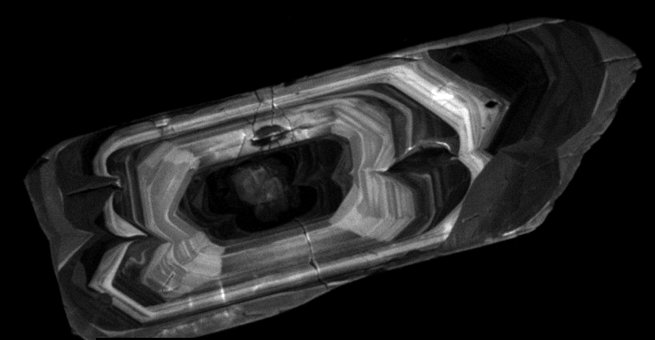
A zircon crystal showing concentric growth rings
Zircons are loved by geochemists. They are resilient to most forms of geochemical and geological wear and tear, and as they grow, they can incorporate atoms and molecules from their surroundings into their chemical structure.

As a result they can be radiometrically dated and chemically and isotopically analysed to give insight into the environmental conditions in which they formed. Some of the oldest zircons have survived lunar cataclysms, giant impacts and the deaths of continents to yield valuable data. Yet a recent study has shown that we should take our zircons with a grain of salt.

'While zircon is one of the best isotopic clocks for dating many geological processes,' said Aaron Cavosie from the NASA Astrobiology Institute at the University of Wisconsin-Madison. 'Our results show that it is very challenging to use ex situ zircon to date a large impact of known age. Once separated from host rocks, ex situ shocked zircons lose critical contextual information.'

One of the zircons used in the study. The thick sub-vertical
lines were produced by an impact event 2 billion years ago 
Zircons have been used to date giant impact events. The logic being that the giant impact events drive off the lead decay products of uranium contained within zircons, resetting their radiometric clocks to the date of the impact event.

To test this assumption the researchers examined zircons which came from the Earth's largest impact crater, the 2 billion year old Vredefort structure in South Africa. Many zircons preserve evidence of having survived impact events. The Vredefort zircons have such traces, but their ages showed that their radiometric clock had not been reset during the event. Instead the dates were indicative of when they crystallised from magma.

'The question of what resets the zircon clock has always been very complicated' said John Valley, also from the University of Wisconsin-Madison. ' Zircons are the gift that keeps on giving, and this will not change that, but we need to be a lot more careful in analyzing what that gift is telling us.'

Pushing Back The Origin Of Life

Rocks from the Pilbara region contain some of the earliest known fossils
As we go further and further back in time rocks become increasingly scarce. Correspondingly, the number of fossils also decreases. This poses a problem for palaeontologists looking to uncover the oldest fossils and glimpse the origins of life.

In recent decades they have turned to molecular techniques to estimate the origins of living organisms. They can be used to date the earliest divergences in the tree of life, which lie close to its origins.

Yet while dates are backed up by sophisticated analyses, ultimately they are hypothetical. It's fossils that confirm these dates. The oldest cellular fossils are around 3.4 billion years old, but the traces of life are older still. Previously the boundary lay at 3.8 billion years in the form of graphite from the Isua Greenstone belts. Now the date for the oldest traces of life has been pushed back by another 300 million years. Researchers, led by Elizabeth Bell from UCLA, studied more than 10,000 zircons from Western Australia. Some of the zircons contained grains of graphite whose isotopic signature also matched that produced by biological processes, specifically photosynthesis.

'There is no better case of a primary inclusion in a mineral ever documented, and nobody has offered a plausible alternative explanation for graphite of non-biological origin into a zircon,' said Mark Harrison, professor of geochemistry at UCLA. Zircons are physically tough and so the graphite grains within the crystals have remained unaltered since they formed.

One of the zircons and the graphite inclusions
Zircons have another desirable property, which is augmented by their durability; during their formation they can incorporate atoms of uranium into their crystal structure. This allows zircons to be dated radiometrically with incredible accuracy. The zircons were dated at 4.1 billion years old.

'The early Earth certainly wasn't a hellish, dry, boiling planet; we see absolutely no evidence for that,' said Harrison. 'The planet was probably much more like it is today than was previously thought.'

The zircons come from a time in the Earth's history known as the Hadean. Apart from a handful of zircons, there are only two terrestrial rock formations which come from this period. The insight gained into its conditions is therefore extremely limited.

Yet each new piece of data shows that we need to reconsider our conceptions of what the planet was like. A view fast changing from a volcanic hell to an environment which may have had liquid water, stable landmasses and even life.

Wednesday, 14 October 2015

The Anatomical Antiquity Of Avian Flight

There is debate over whether early birds and
their close theropod relatives could fly
There is great debate surrounding the topic of whether the first birds could fly or not. They certainly had feathers, long limbs and light, compact bodies required for flight. Yet they were descended from theropod dinosaurs which were almost certainly terrestrial.

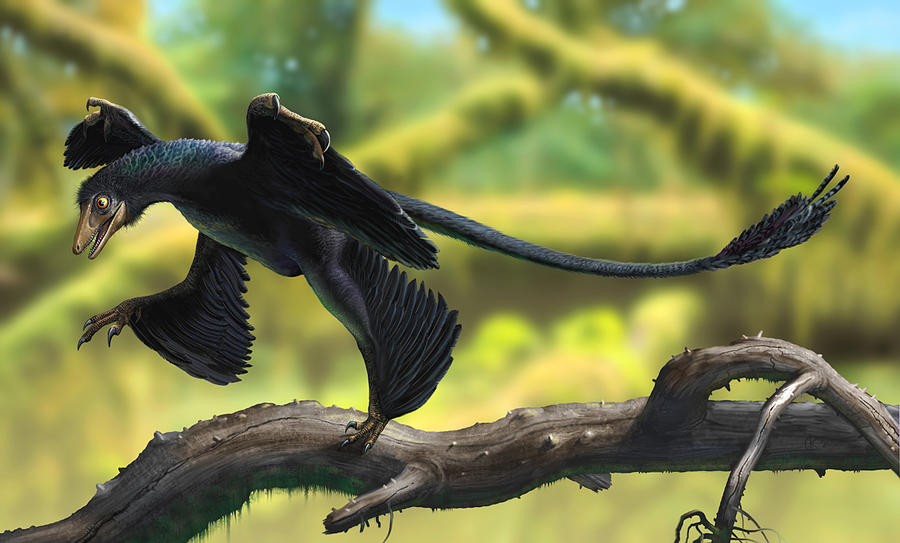
Some theropod species, such as Microraptor, may have been able to fly, but there is little evidence to support this beyond their similarity to and close evolutionary affinities with avians. Equally such forms may have simply been gliders, utilising feathers to increase gliding distance between trees. Whether flight evolved in dinosaurs or birds is therefore contentious.

If it evolved in dinosaurs then the first birds would have been airworthy also, but if it evolved first in avians then it becomes more difficult to tell whether the early birds were able to fly. A recent study, however, shows that the early birds were capable of powered flight. Yet there is more to flight than simple feathers and bones. A complex array of ligaments and tendons is required to animate the frame in such a way that flight becomes possible. To determine whether early birds had the requisite anatomy for flight a group of researchers, led by Dr. Luis Chiappe from Natural History Museum of Spain, compared the anatomy of an early avian to that of modern birds.
The 125 million year old fossil and its reconstruction

The researchers used an exceptionally well preserved, 125 million year old wing from Las Hoyas in Spain. The specimen contained enough detail for the arrangement of the tendons, bones and muscles to be reconstructed.

By comparing the reconstructed anatomy to that of modern flying birds, the researchers found similarities.

'The anatomical match between the muscle network preserved in the fossil and those that characterise the wings of living birds strongly indicates that some of the earliest birds were capable of aerodynamic prowess like many present-day birds,' said Chiappe. 'It is very surprising that despite being skeletally quite different from their modern counterparts, these primitive birds show striking similarities in their soft anatomy,' continues Guillermo Navalón, a doctoral candidate at the University of Bristol and lead author of the study.

This is intriguing as it shows that the anatomical constraints on flight may not be as stringent as previously thought. If a different skeletal architecture with the same musculature can result in flight, it opens up the possibility that avian-like theropods may also have taken to the air in active fashion.